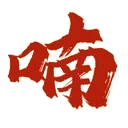
Chữ Nôm is a historical writing system used to write Vietnamese with characters adapted from the Sinitic writing tradition. It was never just one fixed modern alphabet. It included inherited Chinese characters, characters used for their sound, characters adapted for Vietnamese meanings, and locally created forms.
For a beginner, the most important idea is this: Chữ Nôm made it possible to write Vietnamese words in a character-based system before chữ Quốc ngữ became dominant. That makes it a bridge between language, literature, and the history of writing in Vietnam.
Historical background
For many centuries, Classical Chinese was an important written language in Vietnam, especially for administration, scholarship, and elite literary culture. Alongside that tradition, Vietnamese writers used Chữ Nôm to represent spoken Vietnamese. Chữ Nôm appears in poetry, Buddhist and religious texts, stories, songs, local records, and other materials.
Because usage changed over time and across communities, the script contains variation. A single Vietnamese word may have more than one written form, and a single character may need context to read confidently. This is why dictionaries and manuscript context matter.
Relationship with Classical Chinese, Vietnamese, and chữ Quốc ngữ
Classical Chinese and Chữ Nôm are related through the character tradition, but they are not the same thing. Classical Chinese usually refers to a literary language written with Chinese characters. Chữ Nôm refers to ways of writing Vietnamese words through that character-based system.
Modern Vietnamese is usually written in chữ Quốc ngữ, the Latin-based alphabet used today. Chữ Quốc ngữ made literacy and printing easier in many modern contexts, but it also changed how readers encounter older texts. Studying Chữ Nôm helps reconnect modern readers with materials that were written before that shift.
Why Chữ Nôm matters today
Chữ Nôm matters because it preserves voices, vocabulary, and literary forms that are not fully visible through modern spelling alone. It helps learners understand how Vietnamese words were represented historically, how Sino-Vietnamese vocabulary works, and how writing systems change when languages meet.
You do not need to become a specialist before you begin. Start with a few characters, compare readings carefully, and use dictionaries whenever you meet a new form.
Explore Resources